Concrete products through Sustainable and Innovative Carbon-storing binders

C-SINC is developing next-generation cement binders that transform concrete from a major carbon emitter into a carbon sink, using CO₂-sequestered magnesium-based silicates as supplementary cementitious materials.
The cement industry accounts for approximately 8% of global CO₂ emissions. C-SINC will develop alternative binders using CO₂-sequestered magnesium-based silicates, replacing clinker whilst enhancing concrete's carbon capture potential.
Stay informed
Subscribe to receive updates on project milestones, publications, and news.
Subscribe to updatesProject at a glance
Transforming concrete into a carbon sink
The cement industry accounts for approximately 8% of global CO₂ emissions, primarily due to its reliance on clinker, the main ingredient in traditional cement. As the construction sector faces mounting pressure to decarbonise, the industry urgently requires scalable alternatives that can reduce embodied carbon without compromising structural performance.
C-SINC will develop alternative binders using CO₂-sequestered magnesium-based silicates, including olivine and pyroxenes, as Supplementary Cementitious Materials. This approach replaces clinker whilst enhancing concrete's carbon capture potential, effectively transforming concrete structures into permanent carbon stores.
Carbon capture
Turn buildings from emitters into permanent carbon sinks
Accelerated process
Mineralisation accelerated by 10 million times compared to nature
Industrial scale
Solutions designed for real-world construction applications
European Innovation Council (EIC) Pathfinder Challenges 2024
Grant Agreement No. 101223135
Duration: 4 years (2025–2029)
View official project pageProject objectives
- 1
Optimise accelerated mineral carbonation to refine the speed and efficiency of turning CO2 into stable mineral form
- 2
Refine formulations for industrial scale, ensuring binders work in real-world construction scenarios
- 3
Deploy machine learning models to design sustainable concrete mixtures
- 4
Create a commercially viable, low-embodied-carbon binder for construction
- 5
Transform buildings into permanent carbon stores, turning concrete structures from emitters to carbon sinks
4-year roadmap
From fundamental research to commercial-ready carbon-storing concrete binders
Project kick-off
Official project launch in Brussels with all consortium partners.
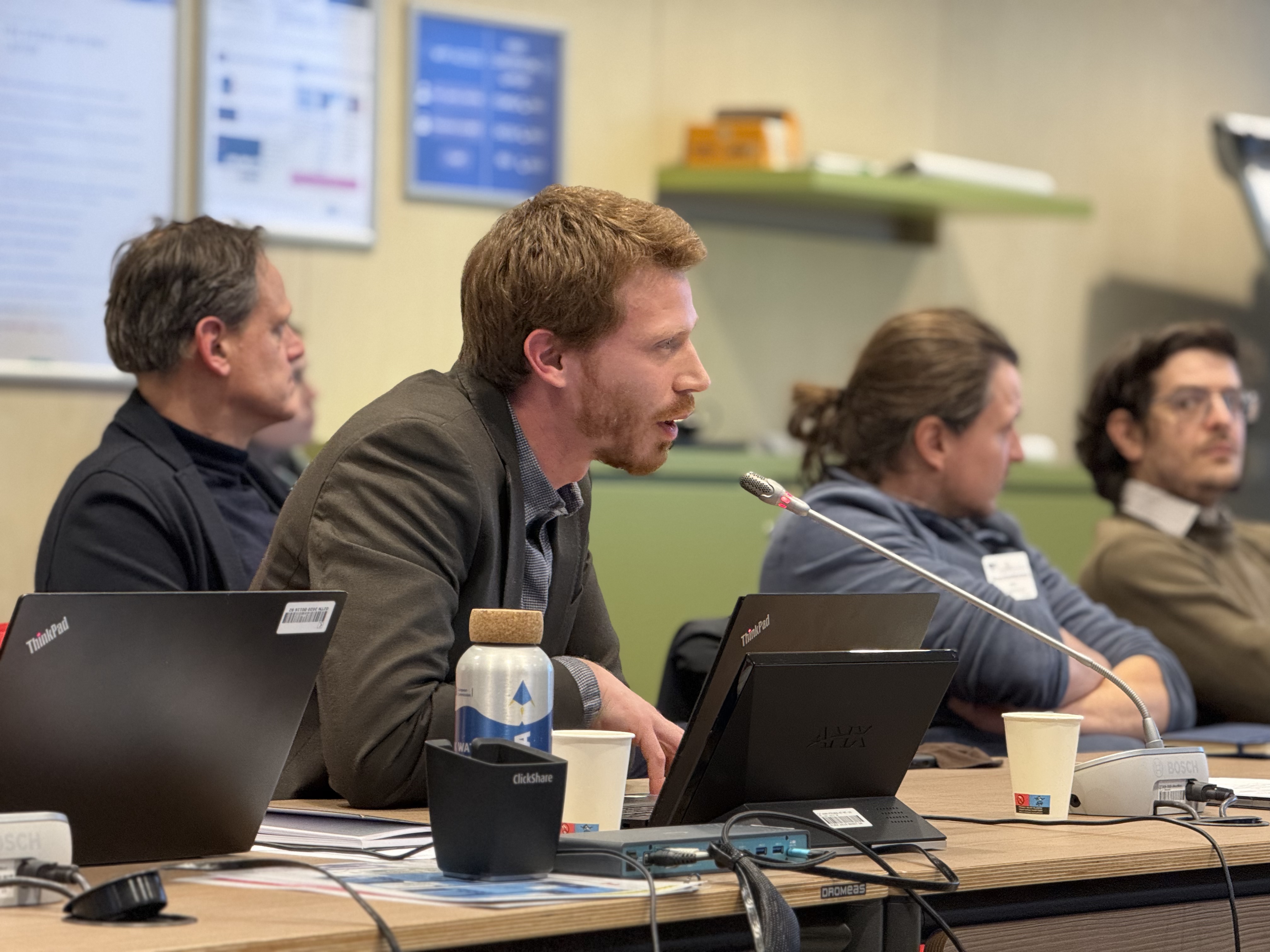
- Grant agreement signed
- Kick-off meeting in Brussels
- Work package initiation
Foundation research
Fundamental characterisation of reaction kinetics and binder composition optimisation.
- Accelerated carbonation process refinement
- Initial binder formulations
- Laboratory testing begins
Development and modelling
Machine learning model deployment and microstructural modelling of concrete.
- AI/ML design models operational
- Structural integrity validation
- Industrial-scale formulation testing
Pilot implementation
Technology implementation at large-scale projects with industrial partners.
- Pilot production at Tecnyconta
- Real-world performance testing
- Commercial viability assessment
Project completion
Final validation, commercialisation pathway, and knowledge transfer.
- Low-embodied-carbon binder delivery
- Final reports and publications
- Technology transfer to industry
Our partners
7 organisations combining academic excellence with industrial expertise





We're part of the EIC Cement and Concrete Portfolio
A unified European effort pulling scientific, economic, and regulatory levers to transform the built environment.